Caution!!! Links in this article are provided by the guest author and may link to Content Marketing / Native Advertising and other sites containing first and third party ad trackers and cookies, along with other privacy threats such as passing on your info to social media sites. We urge our readers to take precautions such as using privacy browsers, ad-blocking apps, VPNs, anti-tracking devices, disabling third-party cookies and other appropriate measures before clicking on any external links.
Image Source: Pexels
 Buying a house marks more than a financial milestone—it represents the beginning of a new chapter for your family. Once the papers are signed and the keys are in your hands, the work of shaping a safe, stable, and faith-centered household begins. These early days set the tone for years to come, and the choices you make immediately after closing matter greatly. Think of them as foundations, not just for the structure you purchased, but for the rhythms of family life inside it. By approaching this transition thoughtfully, you can protect your investment, nurture your loved ones, and open space for God’s guidance in your new surroundings.
Secure the Home Inside and Out
One of the first priorities is protecting your household from preventable risks. Changing locks, adding lighting, and checking every entry point gives your family peace of mind before your first night in the house. This is also the moment to walk your property line and think about practical safety layers. Whether it’s a new fence, outdoor motion lights, or landscaping choices, being intentional early will keep intruders and accidents at bay. Many families overlook how important the outside perimeter can be in shaping daily comfort. Reviewing proven methods of securing your property’s perimeter ensures you can rest without worry, confident that your new home is both welcoming and protected.Review and Transfer the Builder Warranty
If your home is newly built, don’t forget to examine your warranty documents. Many builders provide coverage for structural elements, systems, and workmanship, but you must confirm the transfer is complete and active under your name. Missing this step could leave you paying for expensive repairs that were otherwise covered. Mark the expiration dates of each category—roofing, HVAC, foundation—and set calendar reminders. Families that stay proactive in this area often save thousands of dollars and preserve peace of mind. Understanding the importance of a structural warranty helps you lean on protection already in place, with some warranties like 2-10 offering up to 10 years of structural coverage.
Learn the Utilities and Shut-Off Points
Water, electricity, and gas are lifelines in your home, and knowing where the shut-offs are located isn’t optional—it’s essential. If a pipe bursts or a gas leak occurs, minutes can mean the difference between minor damage and major disaster. Take time now to explore your basement, crawl space, or utility closet to find the controls, label them clearly, and explain their function to older family members. Keep a simple flashlight nearby so you’re never caught fumbling in the dark during an emergency.Organize Important Documents Immediately
Closing day leaves you with a stack of paperwork thicker than most people expect. Deeds, loan agreements, warranties, and receipts should never be tossed in a random drawer. Instead, purchase a fireproof lockbox or filing system to keep everything protected and easy to find. Make it a family standard from day one by organizing closing documents safely and storing them in a place everyone can access if needed. This habit not only saves time when tax season comes but also reduces stress when questions about property lines or loan terms arise. Family members who step in during illness or travel will also benefit from knowing exactly where these papers are kept.Test Every Safety Detector
Fire and carbon monoxide are invisible dangers that no new homeowner should ignore. Even if the previous owner assured you the detectors were fine, test them yourself and replace batteries immediately. Consider upgrading to interconnected models that alert the entire home if one sensor detects a problem. Children, elderly family members, and pets rely on you to keep these systems working flawlessly. Schedule reminders on your phone for regular checks, turning safety into a habit rather than a once-and-done task.Prepare Financially for Home Repairs
Homeownership doesn’t end with a mortgage payment—repairs and replacements will come faster than you think. A broken appliance, roof leak, or unexpected plumbing issue can derail family budgets if no reserve is set aside. Starting a separate savings account for housing emergencies removes the temptation to dip into funds meant for tithes, groceries, or schooling. Even modest contributions add up over time and cushion you against costly surprises.Find a Faithful New Church Home
Beyond locks and documents, your new community will shape your family’s spiritual growth. Seeking out a local church where worship, teaching, and fellowship align with your beliefs ensures your transition doesn’t stall your walk with Christ. Visit several congregations, talk to leaders, and observe how children’s ministries or outreach programs fit your family’s needs. Remember, a church is more than a building—it’s the people who will pray with you, support you, and hold you accountable in seasons of both joy and hardship. Relocating can feel disorienting, but anchoring yourself in a congregation quickly restores rhythm and belonging.These first steps aren’t simply chores—they are investments in safety, stability, and spiritual well-being. Let each measure remind you that a house may be purchased in a day, but a home is built through daily care and prayer.


 A mid-life crisis can feel like a private storm, one that shakes your sense of purpose and unsettles your relationships, faith, and vision for the future. For Christians, it can be a strange and sometimes lonely place to stand — caught between what’s been built and what’s still unfinished. The good news is that God’s Word and the lived wisdom of believers offer not just comfort, but a path forward. Inspiration isn’t a magic spark that appears in perfect moments; it’s something we cultivate in the middle of difficulty. Positivity is not a shallow optimism, but a steadying trust that God can work good out of the most uncertain seasons. These years can become a refining fire, not a dead end.
 Gardening isn’t just about flowers and vegetables; it’s a full-body, mind-centering ritual that offers older adults a sense of vitality. Each seed planted carries more than the promise of a harvest—it offers strength, focus, and the quiet satisfaction of creating life from the soil. For those who feel the tug of time in their joints or the weight of isolation, the garden becomes an anchor. It's a place where movement has purpose, food has meaning, and every green shoot feels like proof that something good is still unfolding.
 Summer arrives with a promise of freedom and discovery, but for many parents, that promise quickly morphs into a logistical challenge. How do you keep your child engaged when school’s out, screens beckon, and neighborhood options wear thin by mid-July? If you’re a parent either struggling to find options or just hoping to go beyond the expected, there are plenty of creative, enriching paths to explore. These activities can spark curiosity, build confidence, and introduce your child to new possibilities—all while keeping summer fun and fresh.
 In Matthew 29, verses 16-30, we find Jesus telling His disciples the parable of the rich young ruler (see also Mark 10:17-21 and Luke 18:18-30). Most of us are familiar with the parable. A rich young ruler approaches Jesus with the question of how to be saved. Jesus then tells him to keep all of the commandments, and the ruler claims that he has. Jesus then instructs him to sell all his possessions and give the proceeds to the poor so that he might have treasures in heaven. He further instructs him to “come follow Me”. Unfortunately, the ruler rejected Jesus'command and went away sad because he refused to part with his earthly wealth.
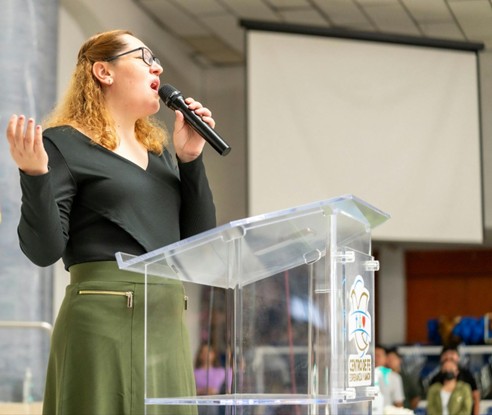 In your calling as a Christian community leader, you're tasked with the sacred responsibility of shepherding souls, resolving conflict, offering guidance, and cultivating unity. But leadership doesn’t end at the pulpit or the meeting table. Today’s most impactful leaders are those who continue to evolve—spiritually, emotionally, and intellectually. Lifelong learning is not just a secular virtue; it's a biblical imperative. Paul urged Timothy to “study to show thyself approved,” a timeless reminder that discipleship and learning are inseparable. And in a fast-changing world where the needs of your community shift almost daily, keeping pace isn’t optional—it’s essential.
 This weekend, and particularly on Monday, we set aside a special day to remember and honor our brave troops who made the ultimate sacrifice for our country so that we are able to enjoy the vast freedoms that we currently possess. I'm speaking or course about Memorial Day, a day of somber remembrance and gratitude.
 This weekend, and particularly on Monday, we set aside a special day to remember and honor our brave troops who made the ultimate sacrifice for our country. Without their sacrifice, we certainly would not be able to enjoy the vast freedoms that we currently possess. I'm speaking or course about Memorial Day, a day of somber remembrance and gratitude.