Caution!!! Links in this article are provided by the guest author and may link to Content Marketing / Native Advertising and other sites containing first and third party ad trackers and cookies, along with other privacy threats such as passing on your info to social media sites. We urge our readers to take precautions such as using privacy browsers, ad-blocking apps, VPNs, anti-tracking devices, disabling third-party cookies and other appropriate measures before clicking on any external links.
Image Source: Freepik
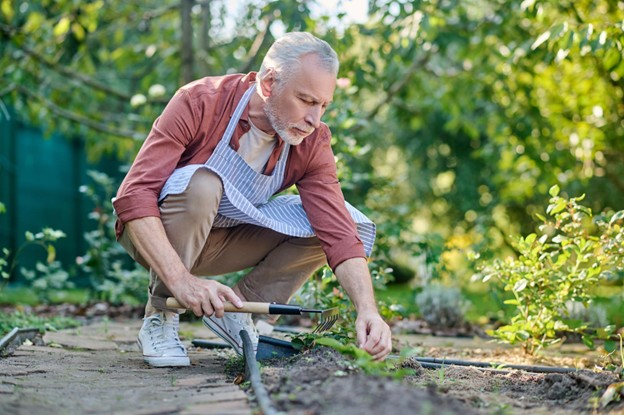 Gardening isn’t just about flowers and vegetables; it’s a full-body, mind-centering ritual that offers older adults a sense of vitality. Each seed planted carries more than the promise of a harvest—it offers strength, focus, and the quiet satisfaction of creating life from the soil. For those who feel the tug of time in their joints or the weight of isolation, the garden becomes an anchor. It's a place where movement has purpose, food has meaning, and every green shoot feels like proof that something good is still unfolding.
Physical Strength Rooted in Routine
Every time you stoop to pull a weed or push a trowel into the earth, you’re not just tending a plant—you’re tending yourself. The repetitive, natural movements of gardening contribute to building strength with garden tasks. Over time, these motions work muscles in the back, shoulders, and arms, improving balance and flexibility without the sterile feel of a gym. Older adults who make gardening a habit often find that even simple chores like carrying soil or turning compost help them maintain endurance while easing stiffness that might otherwise creep into daily life.
Sharpening the Mind in the Quiet Hours
There’s something about the garden’s rhythm that organizes the mind. As you water rows or plan the next season’s crops, focus sharpens. Science supports this: gardening improves mental sharpness, helping older adults sustain memory and problem-solving skills through hands-on engagement. It’s not just about the tasks—it’s about the decisions. Which plant needs pruning? How much sunlight do those tomatoes crave? These small choices keep the brain firing, providing a sense of agency that’s vital for mental health as the years go by.
Stress Falls Away in the Green
Even brief moments in a garden can feel like stepping outside of time. The air smells of earth, the sun warms your skin, and your heart rate begins to settle. Studies confirm that reduced stress through garden time isn’t just a poetic notion; it’s a measurable effect. Nature’s pace is slower, and when you match it, tension drains. Older adults often describe their gardens as sanctuaries, spaces where anxiety fades and a deep, restorative calm takes root alongside the flowers.
Feeding Your Body from the Ground Up
When you grow food, you change the way you eat. Picking a cucumber from your own vine has a way of silencing the siren call of the snack aisle. It’s not only about nutrition—it’s about empowerment. Research shows that soil microbes boost gut health, reinforcing what many gardeners already feel in their bones: the connection between healthy soil and a healthier body. Replace a bag of chips with a handful of sun-warmed cherry tomatoes, and you’ll feel the shift in energy. Hunger quiets. Vitality returns. And it happens right in your backyard.
A Simple Start That Grows with You
If you’ve never gardened before, don’t be intimidated. There’s no prize for growing a full-scale farm on day one. Experts recommend you start small with sun planning—maybe a few herbs on a windowsill or a raised bed of lettuce by the porch. Pay attention to how the light moves across your yard, how the soil feels in your hand, and how much time you actually enjoy spending outside. Build slowly. Each small success is a seed of confidence that grows into bigger harvests later.
Making Gardening Accessible for Every Body
Age can bring aches, but it doesn’t have to bring an end to the garden. With a few adjustments, anyone can dig in. Tools like raised beds simplify gardening, allowing you to work without bending or kneeling for long periods. Lightweight tools, padded kneelers, and container gardens all help make the joy of cultivation available to hands and backs that need a gentler approach. Gardening isn’t about doing more; it’s about doing what fits.
Growing Community Alongside Your Crops
A garden doesn’t have to be a solitary pursuit. For many older adults, community gardens ease loneliness by offering a space where neighbors share seeds, swap stories, and celebrate each other’s harvests. These shared plots become more than a place to plant—they become social roots, connecting people who might otherwise feel alone. The conversations between rows often bloom just as much as the vegetables.
Eating Well, Living Better
Here’s where the garden touches more than the table—it reshapes habits. By leaning on fresh produce and healthy lifestyle choices for seniors, it becomes easier to skip the chips and reach for something living, vibrant, and grown by your own hands. Eating this way doesn’t just quiet cravings—it fuels energy, brightens mood, and makes every bite feel like an investment in your own health.Gardening is not a miracle cure, but it’s close. It’s strength without the strain of the gym, mindfulness without the meditation app, and food without the label. Whether you’re digging deep into the soil or simply potting a basil plant for the windowsill, the benefits stack up. One day at a time. One plant at a time. And for older adults especially, every little green victory is proof that it’s never too late to grow.


 Summer arrives with a promise of freedom and discovery, but for many parents, that promise quickly morphs into a logistical challenge. How do you keep your child engaged when school’s out, screens beckon, and neighborhood options wear thin by mid-July? If you’re a parent either struggling to find options or just hoping to go beyond the expected, there are plenty of creative, enriching paths to explore. These activities can spark curiosity, build confidence, and introduce your child to new possibilities—all while keeping summer fun and fresh.
 In Matthew 29, verses 16-30, we find Jesus telling His disciples the parable of the rich young ruler (see also Mark 10:17-21 and Luke 18:18-30). Most of us are familiar with the parable. A rich young ruler approaches Jesus with the question of how to be saved. Jesus then tells him to keep all of the commandments, and the ruler claims that he has. Jesus then instructs him to sell all his possessions and give the proceeds to the poor so that he might have treasures in heaven. He further instructs him to “come follow Me”. Unfortunately, the ruler rejected Jesus'command and went away sad because he refused to part with his earthly wealth.
 In your calling as a Christian community leader, you're tasked with the sacred responsibility of shepherding souls, resolving conflict, offering guidance, and cultivating unity. But leadership doesn’t end at the pulpit or the meeting table. Today’s most impactful leaders are those who continue to evolve—spiritually, emotionally, and intellectually. Lifelong learning is not just a secular virtue; it's a biblical imperative. Paul urged Timothy to “study to show thyself approved,” a timeless reminder that discipleship and learning are inseparable. And in a fast-changing world where the needs of your community shift almost daily, keeping pace isn’t optional—it’s essential.
 This weekend, and particularly on Monday, we set aside a special day to remember and honor our brave troops who made the ultimate sacrifice for our country so that we are able to enjoy the vast freedoms that we currently possess. I'm speaking or course about Memorial Day, a day of somber remembrance and gratitude.
 This weekend, and particularly on Monday, we set aside a special day to remember and honor our brave troops who made the ultimate sacrifice for our country. Without their sacrifice, we certainly would not be able to enjoy the vast freedoms that we currently possess. I'm speaking or course about Memorial Day, a day of somber remembrance and gratitude.
 Personal Update: I finally did it! After several years of declarations, promises, postponements, threats, reversals and other false starts, I finally retired from my position at a major international engineering company. I had been working from home the past 8-10 years.